The gate belongs before package code runs
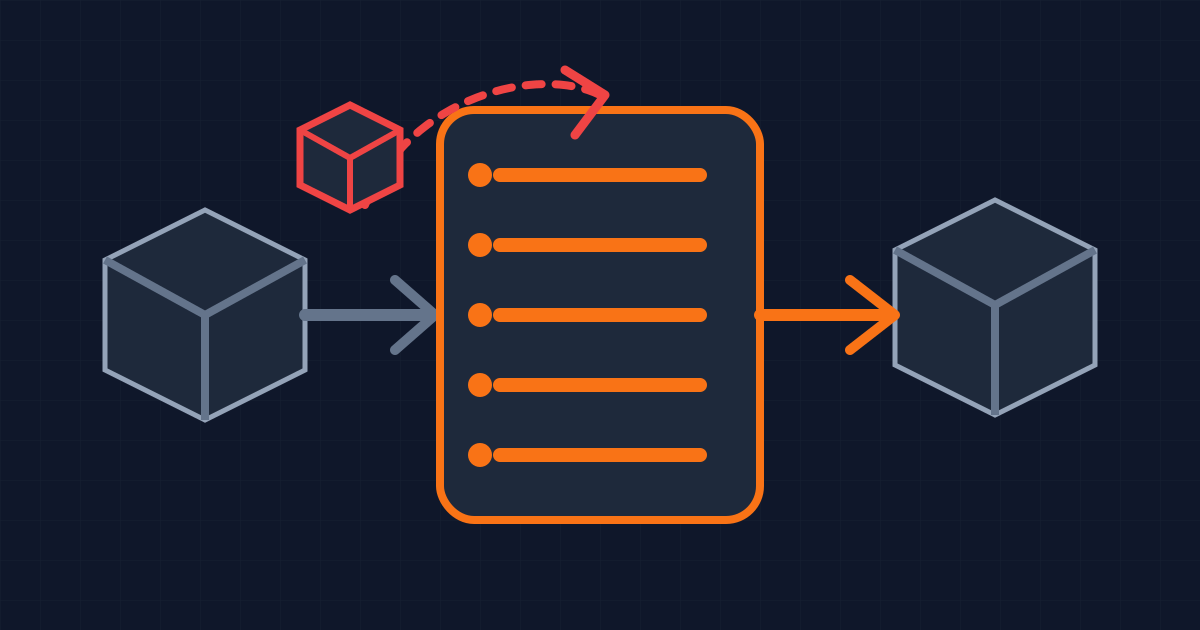
On 20 October 2026, GitHub released its package firewall in public preview. It sits between an npm client and the public registry, evaluates metadata and downloads against enterprise policy, and blocks a version before installation when that version fails the policy.
That placement matters. npm packages can define lifecycle scripts that run during installation. The npm lifecycle documentation lists preinstall, install and postinstall among the stages triggered by npm install and npm ci. A CI runner or coding agent that installs an untrusted version can therefore execute package-controlled commands before anybody imports the package into application code.
The firewall changes the route to that moment. The package manager asks the firewall for metadata and the package archive instead of asking the public registry directly. A policy decision happens before the archive reaches the endpoint. This is a useful security boundary, but only when every relevant install follows that route.
Five signals become one policy decision
GitHub's configuration documentation currently exposes five controls.
First, it can block packages with active malware advisories in the GitHub Advisory Database. This is on by default. Second, it can block versions affected by vulnerability advisories, with a threshold from critical only through any severity. The default threshold is critical.
Third, it can block an attestation downgrade. If earlier versions had SLSA attestations and a requested version does not, the missing evidence becomes a policy failure. An attestation is evidence about how an artifact was built, not evidence that its behavior is safe, but an unexplained loss of provenance is still a useful signal.
Fourth, it can block a package version that newly introduces an install script. That does not mean every new script is hostile. It means the version gained a code-execution path that deserves review before it runs in a developer shell, an agent session or CI.
Fifth, it can require a minimum package age. The value can be 1 to 365 days, with 1 day as the default, or 0 to disable it. A cooldown trades freshness for observation time. It will not detect malware itself, but it can keep an automated build from being among the first consumers of a newly published version.
These signals work best together because they fail differently. Advisory checks know only what has been reported. Attestation checks know whether evidence disappeared, not whether the artifact is benign. A cooldown buys time, but it also delays urgent fixes. The policy combines imperfect signals into one enforceable decision at install time.
Route every installer, then test the bypasses
The deployment task is not finished when an administrator enables the controls. Every endpoint must use the firewall registry URL. GitHub documents direct npm configuration and an experimental Artifactory route. If one CI image, local bootstrap script or agent container still points at the public registry, that path is outside the boundary.
Start with a small inventory: developer machines, hosted and self-hosted runners, release jobs, preview builders, coding agents, container build stages and internal registries. Record which configuration sets the registry for each one. A repository-level .npmrc is not enough if another layer can override it.
Authentication also needs a narrow design. GitHub says each request requires a token for a user or bot that belongs to the enterprise, but the token needs no permission beyond read-only access to public repositories. Put it in the platform's secret store, not in .npmrc committed to a repository, and give separate automation contexts separate credentials so one leak does not become a shared enterprise identity.
Then prove the routing. Attempt to install a version younger than the configured cooldown. Confirm that the client receives a firewall block and an exception link. Repeat from each runner class and from a coding agent image. A control that passes the happy path but leaves one direct-registry route open is a documentation change, not an enforcement boundary.
Treat exceptions as production changes
A blocking policy needs an exception path because legitimate releases can look risky. A security fix may be less than a day old. A maintainer may add a necessary install script. A package may stop producing an attestation while its release process is repaired.
GitHub returns an exception-request URL in npm or CI output. The request identifies the repository, ecosystem, package, version and reason. An enterprise administrator or security manager can approve a version or broaden the range, including to every version with *.
The safe default is the narrowest version that unblocks the work. Require a reason tied to a build or incident, name an owner, and review broad or old overrides on a fixed cadence. An exception for all versions silently removes the future signal that caused the first review.
Measure the operating cost during preview. Track blocks by control, time to approve a valid request, repeat offenders and direct-registry failures. Those numbers tell you whether the cooldown is usable and whether teams are routing around the gate. They also give you a baseline before GitHub introduces metered pricing at general availability.
What the firewall does not change
An allowed package is not a safe package. It may be malicious before an advisory exists, vulnerable only in your use, or correctly attested from a compromised source. The firewall reduces a set of install-time risks. It does not review source code or prove runtime behavior.
Keep exact versions in a committed lockfile. Review dependency changes. Use npm's install-script controls where your version supports them. Run installs with the least credentials and network access the build needs. Keep build and release jobs separate, so a compromised dependency in a test job cannot publish a package or alter production.
The current preview has three practical limits: it is for GitHub Enterprise Cloud, it supports only npm, and its mechanics can change before general availability. It is free during preview, with future pricing expected to follow metered usage.
The useful conclusion is narrower than "packages are scanned." A package firewall gives you a point where dependency age, advisories, provenance changes and new install scripts can stop an automated install. The control becomes real when every installer passes through it, every exception is reviewable, and the runner still assumes an allowed package may be hostile.
Written by Dandelion Labs